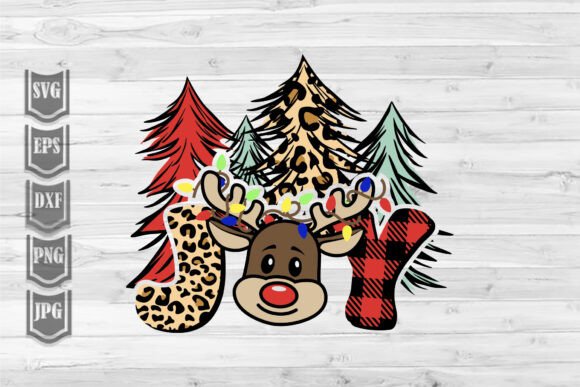
Christmas JOY Reindeer: A Designer's Assessment for Real Projects
When I first opened the Christmas JOY Reindeer embroidery file, I wasn’t looking at it as a static graphic. I was visualizing it stitched, on fabric, in a hoop. This immediate shift from digital asset to potential finished product is the lens every practical designer and maker should use. Let’s walk through what this design offers for real-world embroidery work, from client projects to small shop merchandise.
The Immediate Mood & Where It Belongs
The design’s personality is cheerful and clean. The reindeer motif paired with the bold, capitalized "JOY" creates a straightforward holiday sentiment—it’s festive without being overly ornate. The layout is balanced, with the reindeer acting as a friendly anchor for the text. This isn’t a hyper-detailed, fine-art illustration; it’s a graphic with clear intent. That makes it a natural fit for projects where the message needs to be instantly understood and appreciated: holiday gifts, boutique kitchen towels, cheerful pillow covers, or a simple embroidered patch on a child’s stocking.
For a craft business owner, this visual personality translates to broad appeal. It’s the kind of design a customer might choose for a personalized baby onesie because it’s sweet and safe, or for a custom tote bag because it’s stylish but uncomplicated. The all-black version, with layers merged, suggests a classic, monochromatic application—perfect for a minimalist holiday sweatshirt or a professional-looking apron for a small café’s seasonal branding.
Performance in Actual Embroidery Situations
Imagine you’re preparing a batch of custom embroidered sweatshirts for a holiday market. You load the Christmas JOY Reindeer file. The provided formats—SVG, PNG, EPS, JPEG—mean you can adapt it for different needs: the layered SVG for potential color adjustments in software, the PNG for quick mockups or digital product previews. The fact that colored designs have layers merged per color is a practical note; it simplifies the process if you’re planning to stitch with specific thread colors rather than a single shade.
On a mid-weight cotton sweatshirt, with proper stabilizer, this design should stitch out cleanly. The elements aren’t overly dense, which is good for fabric integrity and wearability. On a tote bag canvas, it would hold up well and resist excessive fraying. For a baby item, like a blanket corner, the friendly reindeer shape and positive text make it a giftable, heartwarming addition. As an embroidery file for patches, the defined borders and clear lettering would result in a crisp finished product that customers trust.
For digital product sellers, these multiple file types are key design assets. They allow you to create printable mockups that show the design on various products (tea towels, caps, pillow covers) without actually stitching each one first, saving tremendous time when listing on Etsy or building a craft fair inventory.
Areas for Careful Consideration & Designer Notes
No design is universally perfect, and a realistic review requires noting where attention is needed. The "JOY" lettering, while bold, has details. On very small hoop sizes or on highly textured fabrics like certain blankets, the crispness of those letters could be challenged. Stitching onto a dark fabric background with the colored version? Thread color contrast becomes paramount—you must check that your chosen hues pop against the base material.
On curved surfaces like caps, the design’s width and layout need to be checked in your software to ensure it fits the available space without distortion. The small details of the reindeer’s features, while not microscopic, deserve a test on scrap fabric first to confirm your machine’s satin or fill stitch renders them clearly. For products destined for frequent washing, like kitchen towels, reviewing stitch density in your embroidery file is wise to ensure longevity.
A crucial professional habit: test the design in both black and white mockups. How does the all-black, merged-layer version look on a light vs. dark fabric preview? Does the colored version maintain its cheer on a neutral background? This pre-flight check impacts visual appeal and customer engagement directly.
Practical Steps Before Hooping Your Project
- Always stitch a sample on a scrap of your intended project fabric. This reveals how the design truly behaves with your thread, stabilizer, and machine.
- Confirm the licensing terms of the digital download file for your use. Are you making personal gifts, or commercial embroidery for small shop product sales? Clarify this before selling finished items.
- Check the specific embroidery file requirements your machine or service uses. While the package includes common formats, compatibility with your system’s preferred file type is essential.
- Consider the product context. A dense, stretchy fabric might require a different stabilizer approach than a rigid tote bag material.
The Impact on Your Craft & Business
Using a design like Christmas JOY Reindeer well elevates your work. Its clarity and positive theme enhance the handmade presentation of a gift—a parent receiving an embroidered baby bib with this design sees thoughtfulness and skill. For a small business, consistently well-executed designs on your merchandise build brand consistency and buyer engagement. This design has a recognition factor; it’s unmistakably holiday, which helps in crowded marketplaces like holiday craft fairs or Etsy searches.
The professional feel of a cleanly stitched graphic increases perceived product value. A customer looking at a holiday apron with this embroidery sees a finished, professional item, not a hobby experiment. That trust translates to repeat business and referrals. As a designer evaluating assets for commercial embroidery projects, this balance of appeal and practicality is exactly what you look for.
In the end, the Christmas JOY Reindeer design is a solid, versatile graphic for the holiday season. Its strength lies in its straightforward application and festive mood. With the practical precautions any experienced embroidery designer takes—testing, checking compatibility, and considering the final product’s life—it becomes a reliable asset for creating joyful, high-quality embroidered goods, gifts, and commercial products that truly reflect the spirit of the season and the care of the maker.